
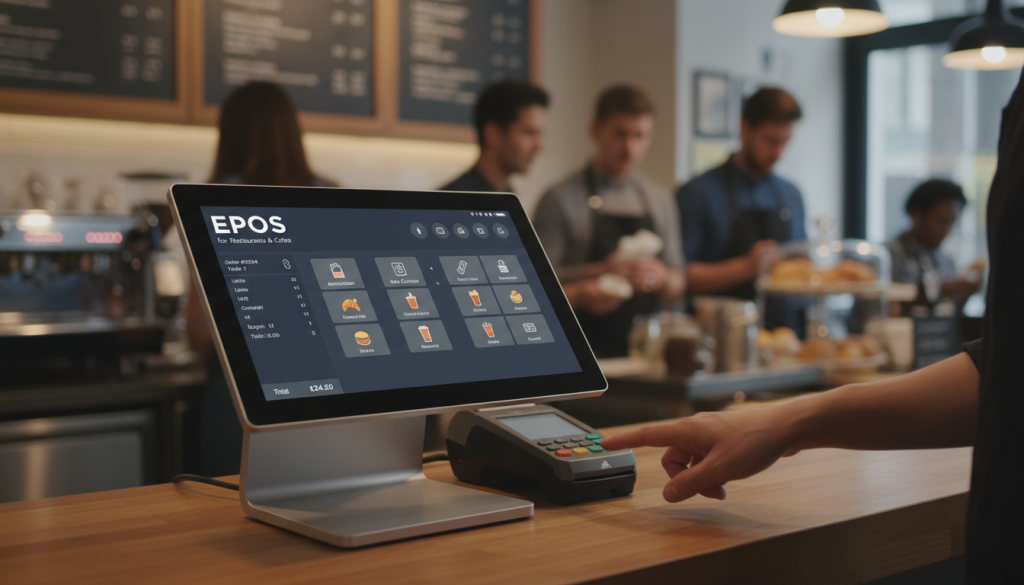
The UK hospitality industry has undergone a seismic shift in recent years. While the quality of the cuisine and the warmth of the service remain the soul of any establishment, the backbone is increasingly digital. For the modern restaurateur, the choice of a point of sale for restaurants is no longer a simple administrative decision—it is a strategic investment in the guest experience and operational longevity.
In an environment where margins are tight and consumer expectations are at an all-time high, the technology you use must do more than just “process transactions.” It must act as a bridge between the kitchen’s creativity and the front-of-house’s efficiency.
The Evolution from Cash Register to Command Centre
There was a time when a “till” was simply a secure box for cash. Today, a sophisticated point of sale for restaurants acts as the central command centre for the entire business. It tracks every ingredient, monitors staff performance, and manages the complex dance of table turnovers.
When we look at industry leaders like CubePOS, we see a move toward “all-in-one” ecosystems. The goal is to eliminate the friction that occurs when hardware and software don’t speak the same language. When your digital infrastructure is unified, the risk of lost orders or billing errors virtually disappears.
How Modern POS Technology Enhances the Guest Journey
The true measure of any hospitality technology is how it impacts the person sitting at the table. A professional point of sale for restaurants should be invisible to the guest while making their experience feel effortless.
1. Speed and Precision
In a busy bistro or a high-end eatery, timing is everything. Modern POS systems allow for instant communication between the floor and the pass. Orders are sent to the kitchen in real-time, categorized by course, and modified with specific dietary requirements. This precision ensures that the guest receives exactly what they ordered, exactly when they expected it.
2. Flexible Payment Solutions
The modern diner rarely carries cash. Whether it’s split-billing among a large group or accepting the latest mobile wallet payments, a versatile system ensures that the final interaction of the evening—the payment—is as smooth as the first.
3. Personalised Loyalty
Data is the new currency in hospitality. A high-quality POS allows owners to understand their customers’ preferences. Knowing that a regular guest prefers a specific table or a particular vintage of wine allows for a level of service that feels personal and human, even though it is backed by data.
Streamlining the “Back-of-House” Chaos
Behind the swinging doors of the kitchen, the right point of sale for restaurants is a vital tool for stress reduction. Kitchen Display Systems (KDS) replace messy paper tickets with clear, digital readouts that can be tracked for preparation times.
Furthermore, integrated inventory management helps managers stay ahead of the curve. By tracking stock levels in real-time against sales, the system can alert you when a key ingredient is running low, preventing the dreaded “sold out” conversation with a disappointed diner.
Choosing the Right Partner for Your Growth
Not all systems are created equal. For UK-based businesses, it is essential to find a solution that understands the local landscape—from VAT compliance to the specific workflows of British gastropubs and cafes.
Solutions provided by experts like CubePOS focus on durability and ease of use. A restaurant is a high-pressure environment; the last thing a server needs is a “clunky” interface or a system that crashes during a Friday night rush. Reliability is the silent partner in every successful service.
The Bottom Line
As we look toward the future of the UK dining scene, the gap between “tech-forward” and “traditional” establishments will continue to widen. Embracing a robust point of sale for restaurants is not about replacing the human touch; it is about empowering your team to spend less time looking at screens and more time looking at guests.
By investing in professional hardware and intuitive software, you aren’t just buying a tool—you are building a foundation for a more profitable, less stressful, and ultimately more hospitable business.
