
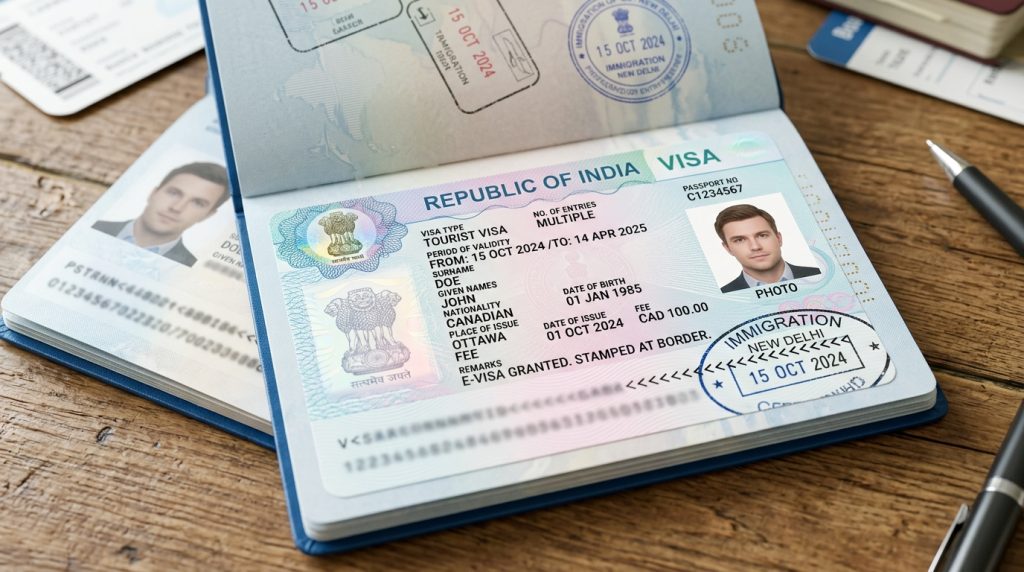
India continues to stand as one of the world’s most compelling destinations, drawing millions of international visitors every year for tourism, spiritual discovery, commercial ventures, and advanced medical treatments. To make this vast country more accessible, the Government of India developed the Electronic Travel Authorization (ETA) framework. This modern system enables eligible global travelers to secure their entry permits entirely online, bypassing the tedious tradition of visiting physical embassies or mailing away important personal documents.
While the digital application portal is highly efficient, it relies heavily on the accuracy of the data you provide. For citizens of both West African and Central European nations looking to cross borders seamlessly, understanding the precise entry pathways and strict documentation rules is the key to a successful journey.
The Digital Landscape of Indian Immigration
The implementation of the Indian e-Visa has completely transformed the pre-travel experience. Instead of waiting weeks for consular processing, applicants can complete the entire workflow from a personal computer or smartphone and receive their travel clearance within a matter of days. The electronic system is divided into several specialized subcategories, including the e-Tourist visa, e-Business visa, and e-Medical visa, allowing travelers to choose the specific permit that aligns with their itinerary.
When your application is approved, the system generates an Electronic Travel Authorization. This document is linked to your passport number digitally, but immigration officials at the border still require you to present a physical printout upon arrival. Knowing how your specific passport interacts with this digital vetting system ensures that you avoid unexpected complications before boarding your flight.
Tailored Entry Frameworks for International Passports
Bilateral agreements and regional considerations mean that the Indian e-Visa application parameters can vary slightly depending on your country of citizenship. It is always critical to confirm that your specific passport is currently listed on the active eligibility roster before you begin filling out the online forms.
For travelers coming from West Africa, specific guidelines have been established to streamline the digital vetting process. Reviewing the explicit rules for an INDIAN VISA FOR IVORIAN CITIZENS allows applicants from this region to understand the required processing timelines, regional fee structures, and precise scanning parameters. Making sure your files are uploaded clearly helps prevent the automated consular system from pausing your application for manual administrative review.
Similarly, travelers holding passports from Central Europe must follow their own designated electronic pathway. Accessing the appropriate portal details for an INDIAN VISA FOR CZECH CITIZENS ensures that applicants understand the specific maritime and airport entry checkpoints allowed under this travel tier. It is vital to remember that the electronic travel permit does not grant entry through every border post; it restricts arrival strictly to a designated list of international airports and major seaports equipped with biometric e-Visa processing counters.
Crucial Document Standards and System Precision
The overwhelming majority of digital visa rejections or processing delays stem from minor clerical mistakes or low-quality document uploads rather than a true lack of traveler eligibility. To ensure your application passes the strict compliance checks on the first try, pay close attention to these technical rules:
- Passport Validity: Your passport must possess a minimum validity of six months from the exact date you intend to cross the Indian border. It must also have at least two completely blank pages for physical immigration stamps.
- Biographic Page Clarity: You must upload a high-resolution, cropped PDF scan of your passport’s photo page. The text, signatures, and numbers must be completely legible without any camera glare, shadow, or border clipping.
- Photograph Specifications: The digital photograph must be a recent, square, front-facing image against a solid, plain white background. Images featuring distracting backgrounds, uniforms, or eyewear are systematically flagged and rejected by the portal.
- Data Matching: Every string of text you type into the application—including middle names, parental details, and passport issue dates—must match the layout of your official passport down to the exact character.
A Systematic Strategy for Online Submissions
Approaching the digital portal methodically reduces stress and minimizes the margin for data entry errors.
- Organize Assets in Advance: Before clicking open the live form, save your digital passport photo, the PDF scan of your passport biography page, and your exact accommodation address in India directly onto your device.
- Navigate the Sections Carefully: Take your time working through the multiple data tabs. Pay close attention to the mandatory “Reference Name” fields, providing a verifiable contact person or hotel in India, as well as a reliable contact in your home country.
- Comprehensive Review: Before advancing to the final payment gateway, utilize the application summary page to double-check every single text box. Once the processing fee is paid, editing your submitted details is no longer possible.
- Print Multiple Copies: Once the approval email arrives with your ETA, print out at least two clear physical copies. Keep one copy in your hand luggage and another securely stored in your checked baggage to ensure you are fully prepared for the border checkpoints.
