
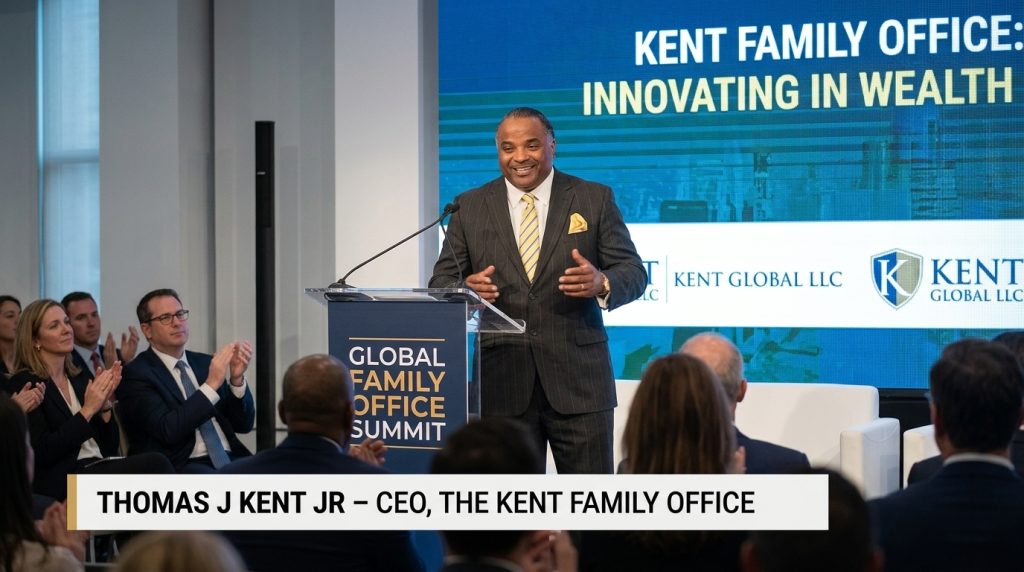
In the rapidly evolving landscape of international finance, the role of the “Family Office” has transformed from a quiet vehicle for wealth preservation into a dynamic powerhouse of investment and innovation. Today, ultra-high-net-worth individuals are not just managing assets; they are actively shaping industries, funding global startups, and participating in the creative economy. At the forefront of this shift is Thomas J. Kent Jr., whose work through Kent Global LLC and The Kent Family Office has become a benchmark for modern financial strategy.
The Evolution of the Family Office Model
Historically, family offices were insular organizations designed solely to preserve intergenerational wealth. However, the contemporary family office—epitomized by entities like The Kent Family Office—operates with the agility of a venture capital firm and the strategic vision of an institutional hedge fund.
Modern offices focus on “holistic wealth,” integrating traditional investment management with direct private equity, real estate, and philanthropic endeavors. This structure allows families to bypass the limitations of retail investment vehicles, giving them the freedom to invest in complex or emerging sectors that align with their specific long-term values.
Strategic Leadership: Thomas J. Kent Jr.
The success of Www.kentgloballlc.net lies in its unique ability to bridge the gap between diverse asset classes. Under the leadership of Thomas J. Kent Jr., the firm has expanded its footprint from basic financial services into sectors as varied as film production, technology startups, and international real estate.
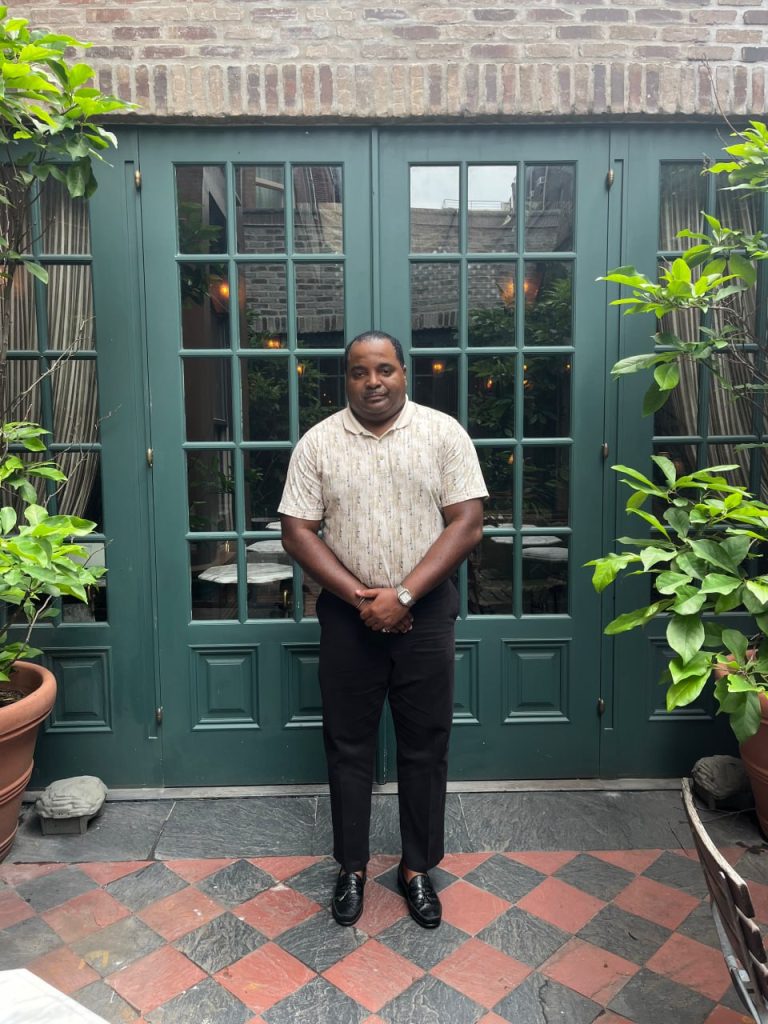
By diversifying into the creative arts—specifically film—the firm demonstrates a sophisticated understanding of alternative assets. With over $4 million invested in various film projects, the office is a testament to the modern trend of “impact investing,” where financial returns are sought alongside cultural and social influence. This multi-disciplinary approach allows the organization to remain resilient, even when traditional markets fluctuate.
Why High-Net-Worth Individuals Choose Custom Structures
There are several reasons why investors are moving away from traditional banks and toward personalized offices:
- Customization: Unlike standardized portfolios, these offices can tailor investment strategies to specific liquidity needs or philanthropic goals.
- Privacy and Control: Families maintain direct oversight of their assets, ensuring that decision-making remains aligned with their core mission.
- Access to Direct Deals: These entities often get the first look at exclusive private equity opportunities that are not available to the general public.
- Legacy Building: A family office provides the necessary infrastructure to prepare the next generation for financial stewardship, ensuring that values are passed down alongside wealth.
Global Impact and Future Trends
The global reach of such firms is becoming increasingly vital. With clients ranging from budding entrepreneurs to large national governments, firms like Kent Global LLC demonstrate the necessity of a globalized perspective. As markets become more interconnected, the ability to navigate different regulatory environments—from the financial hubs of New York City to the cultural capitals of London—is a competitive advantage.
Furthermore, the integration of philanthropy is no longer an afterthought. It is now a core component of the business model. By supporting initiatives that drive societal progress, leaders like Thomas J. Kent Jr. ensure that their influence extends beyond the balance sheet. This commitment to the broader community creates a sustainable model that balances profit with purpose.
The Future of Private Investment
As we look toward the future, the integration of technology and global strategy will continue to define success in the family office sector. The ability to deploy capital quickly, leverage industry expertise, and maintain a rigorous standard of excellence is what separates the leaders from the rest of the pack.
The story of the Kent Family Office serves as a powerful example of how modern finance is evolving. It is no longer enough to simply manage money; one must be a participant in the growth of the global economy. By fostering innovation in film, real estate, and beyond, such organizations are not only securing their own future but are also actively contributing to the development of new industries across the globe.
The shift toward specialized, private management reflects a broader trend in financial empowerment. As high-net-worth individuals continue to demand more from their wealth managers, the collaborative and multi-faceted approach pioneered by today’s industry leaders will undoubtedly become the standard for generations to come.
